


-

Add: HeBei ShengShi HongBang Cellulose Technology CO.,LTD.
-

Email
13180486930@163.com -

CONTACT US
+86 13180486930
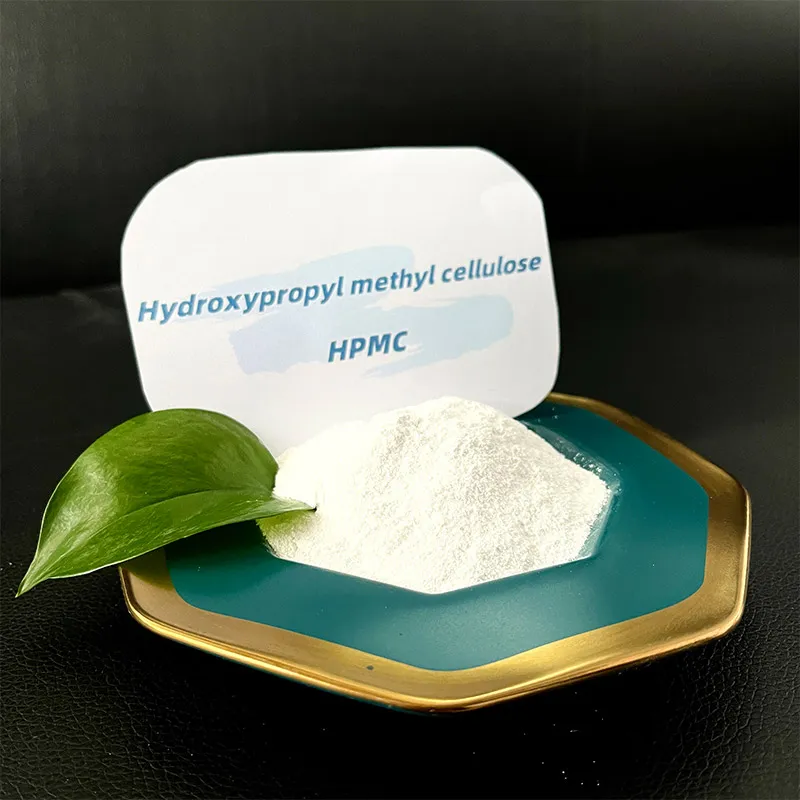



Die Verwendung von HPMC CMC in der modernen Industrie hat sich als bahnbrechend erwiesen. HPMC (Hydroxypropylmethylcellulose) und CMC (Carboxymethylcellulose) gelten in vielen Herstellungsprozessen als essenzielle Bestandteile. Diese Polymeren werden häufig in der Pharma-, Lebensmittel- und Bauindustrie eingesetzt. Einer der Hauptvorteile von HPMC ist seine Vielseitigkeit . In der pharmazeutischen Industrie verbessert es die Bioverfügbarkeit von Medikamenten und gewährleistet eine kontrollierte Freisetzung von Wirkstoffen. Dies wird durch die Film-bildenden Eigenschaften von HPMC ermöglicht, die es zu einer bevorzugten Wahl für die Herstellung von Medikamentenkapseln und Tabletten machen. Ärzte und Apotheker weltweit vertrauen auf den stabilen und zuverlässigen Einsatz dieser Substanz. Die Wirksamkeit von CMC zeigt sich hingegen besonders im Lebensmittelbereich. Als Verdickungsmittel in Saucen und Getränken gewährleistet CMC eine gleichmäßige Konsistenz und verbessert die Mundgefühl des Produkts. Seine Verwendung in glutenfreien Brotprodukten bietet zudem eine ideale Lösung für Konsumenten mit speziellen Ernährungsbedürfnissen. Zudem ist CMC dafür bekannt, die Haltbarkeit von Lebensmitteln zu verlängern, was zu einer Reduzierung von Lebensmittelabfällen führt. Die enge Zusammenarbeit mit Ernährungswissenschaftlern und Lebensmitteltechnikern unterstreicht die Bedeutung und das Vertrauen in die Anwendbarkeit von CMC. Im Bauwesen steigert HPMC die Klebekraft von Mörtel und verbessert die Beständigkeit von Fassaden und anderen Baumaterialien. Dies trägt nicht nur zur Langlebigkeit von Bauwerken bei, sondern ermöglicht auch innovatives Design unter heutigen klimatischen Herausforderungen. Internationale Bauunternehmen schätzen HPMC für seine Stabilität und Anpassungsfähigkeit unter verschiedenen Wetterbedingungen. HPMC ist CMC Gerade in einem globalen Markt ist die Glaubwürdigkeit eines Produkts entscheident. Daher achten Hersteller von HPMC und CMC strikt auf Qualitätskontrollen. ISO-Zertifizierungen und regelmäßige Inspektionen durch unabhängige Labore dienen der Sicherstellung höchster Standards. Dies schafft Vertrauen bei Investoren, Anwendern und Endkonsumenten gleichermaßen. Die enge Zusammenarbeit mit renommierten Forschungseinrichtungen weltweit fördert zudem die kontinuierliche Weiterentwicklung dieser Polymerstoffe. Experten sind ständig bemüht, die Effizienz und Qualität der Materialien zu verbessern, um neue Anwendungsgebiete zu erschließen. Diese Partnerschaften tragen dazu bei, den technologischen Fortschritt und die wirtschaftliche Wettbewerbsfähigkeit zu sichern. In einer sich ständig verändernden Welt zeigt der Einsatz von HPMC und CMC, wie chemische Innovationen grundlegende Herausforderungen bewältigen können. Um mit der rasanten Technologieentwicklung Schritt zu halten, ist es entscheidend, die neuesten Forschungsergebnisse zu nutzen und gleichzeitig auf ethisch vertretbare und nachhaltige Herstellungsverfahren zu setzen. Die Zukunft sieht große Potenziale für eine noch breitere Anwendung dieser wichtigen Stoffe, die über rein funktionale Aspekte hinaus auch eine ökologische Verantwortung tragen. Zusammenfassend lässt sich sagen, dass HPMC und CMC nicht nur wegen ihrer funktionellen Eigenschaften unentbehrlich sind, sondern auch wegen ihrer weitreichenden Auswirkungen auf verschiedene Branchen. Durch die Kombination von praktischer Anwendbarkeit und wissenschaftlicher Exzellenz werden sie unverzichtbare Elemente einer modernen, nachhaltigen Produktion weltweit.
- 40000tons

Production
- 20+years

Experience
- 5000+㎡

Acreage

-

Hydroxypropyl Methylcellulose, commonly referred to as HPMC, is a multi-faceted cellulose-based polymer that’s extensively utilized across a multitude of industries. When speaking specifically about HPMC K4M, it references a grade of HPMC that appears prominently in several sectors, notably pharmaceuticals, food, construction, and cosmetics. The “K4M” designation speaks to the viscosity measurement—it is an integral feature that defines its application capabilities and functional advantages. Within pharmaceuticals, HPMC K4M stands as a pillar due to its controlled release capabilities, making it indispensable in formulating sustained-release drugs. As a viscosity agent, it retards the dissolution rate of drugs, offering a way to manage dosage releases over extended periods. Experience within this realm underscores its stability and efficiency. Researchers and formulators appreciate HPMC K4M's ability to maintain stable drug release profiles, even under extreme environmental conditions, thus qualifying it as a reliable excipient. Its inherent degree of consistency in pharmaceutical applications ensures patients benefit from trusted medication performance, marrying both expertise and trustworthiness in pharmaceutical engineering. In the construction industry, HPMC K4M serves as an essential additive for tile adhesives and plaster. Its expertise is demonstrated through its abilities as a thickening agent; it imparts crucial water retention and workability to cement mixes. Construction professionals frequently cite HPMC K4M's influence on consistency during application, ensuring even distribution of materials with reduced risk of cracking or shrinkage. This attribute reflects the authoritativeness of HPMC K4M in construction, triangulated by decades of field application that underline how fundamental it is for creating robust, durable surfaces. The food industry leverages HPMC K4M for its stabilizing and emulsifying properties . It offers culinary solutions, particularly in maintaining the integrity of sauces, dressings, and toppings. As a food additive, it provides a sense of trust for manufacturers aiming to achieve specific textures or moisture levels without compromising on quality or safety. Expertise in food science continually validates HPMC K4M due to its non-toxic, non-allergenic nature, effectively demonstrating its aptitude in satisfying industry standards related to consumer health and safety. hpmc k4m full form In cosmetology, HPMC K4M's role as a thickening, emulsifying, and stabilizing agent cannot be overemphasized. Cosmetic formulations reliant on moisturizing solutions frequently include HPMC K4M for its consistent performance in product stability and texture, enhancing user experience. This agent's inclusion transforms ordinary skincare items into luxurious applications with consistent texture and spreadability, fostering consumer trust through reliable product performance. Thus, with an established reputation throughout various industries, HPMC K4M's contributions are multi-dimensional—ranging from the pharmaceutical sector's demand for precision and control to construction's need for material stability, the culinary arts' quest for consistent quality, and the cosmetic industry's innovation for texture and feel. It is precisely its adaptability and proven reliability that affirm HPMC K4M's position as a product derived from decades of expertise and experience. The momentous role of HPMC K4M as an industry staple underscores not just its versatility, but also its foundational reliability meticulously crafted through precise scientific engineering and comprehensive application studies. Informed stakeholders consistently rely on this particular grade of HPMC, evidenced by its longstanding integration into myriad applications where tensile reliability and performance trust are not merely advantageous, but essential. In crafting solutions where longevity, efficiency, and safety intersect, HPMC K4M emerges as a pivotal component deservedly respected across sectors. Each instance of its application points toward an undeniable synergy between innovative material science and practical industry demands, cementing its perpetuity as both a modern marvel and a future-oriented choice in material augmentation.
-
In the realm of construction and building materials, one innovative component is making waves for its ability to enhance the durability of structures rubber powder used in waterproof mortar. This material has not only transformed the waterproofing industry but also become a key player in sustainable building practices. Explore this article to uncover the profound impact of rubber powder on waterproof mortar, supported by expert insights and trusted recommendations. Rubber powder's journey into waterproof mortar applications stems from a pressing need for more durable, flexible, and environmentally conscious construction materials. As cities expand and climate change continues to challenge traditional infrastructure, the demand for more resilient building materials has never been more critical. Experience and expertise reveal that rubber powder significantly improves the flexibility and elasticity of waterproof mortar . Traditional waterproofing solutions can become brittle over time, leading to potential cracks and water ingress. However, incorporating rubber powder enhances the material's elasticity, allowing it to withstand structural movements and temperature fluctuations without compromising its integrity. According to Dr. Emily Langford, a materials scientist with over two decades of experience, Rubber powder's inclusion in waterproof mortar not only extends the lifespan of the material but also provides a sustainable solution by repurposing waste rubber from used tires. Concrete structures face constant moisture exposure, which can lead to severe damage if not properly managed. Rubber powder embedded in waterproof mortar forms an impermeable barrier, effectively sealing structures against water infiltration. This is particularly beneficial in high-moisture environments or in constructions like basements, tunnels, and swimming pools where water resistance is paramount. John Maxwell, a renowned civil engineer, emphasizes that using rubber powder in mortar enhances water-resistance properties significantly, making it an ideal choice for projects requiring robust waterproofing. rubber powder used in water proof mortar One of the most compelling arguments for utilizing rubber powder in waterproof mortars is its alignment with sustainability goals. By repurposing end-of-life tires into powder form, the construction industry not only reduces landfill waste but also conserves natural resources. This closed-loop system contributes to lower carbon footprints and bolsters green building certifications. Elizabeth Chen, an environmental consultant, notes, Projects implementing rubber powder-enhanced waterproof mortar see not just improved performance but also meet key sustainability benchmarks, appealing to environmentally conscious developers and contractors. Trustworthiness in construction materials cannot be overstated, and rubber powder has proven itself as a reliable component through a series of rigorous tests and real-world applications. Certified laboratory analyses reveal that mortar mixed with rubber powder exhibits superior crack bridging capabilities and longevity under stress, compared to conventional mortars. Additionally, feedback from construction firms that have adopted this technique indicates consistent satisfaction with the results, citing significant reductions in maintenance costs and downtime due to water damage. The adoption of rubber powder in waterproof mortar represents a forward-thinking approach to building resilience. As urban landscapes continue to grow and the construction sector moves towards more sustainable practices, this innovative material will undoubtedly play a pivotal role. Research and field data support the view that rubber powder not only meets but exceeds the stringent requirements of modern construction projects. In conclusion, the integration of rubber powder into waterproof mortars marks a significant advancement in building material technology. Its contribution to improved structural flexibility, superior water resistance, and enhanced sustainability practices aligns with contemporary demands for robust and eco-friendly construction solutions. As the construction industry evolves, rubber powder stands out as a testament to meeting today's challenges with innovative, reliable, and future-ready solutions.
advantages
-

200000 Viscosities
Excellent product
We can produce pure products up to 200,000 viscosities
-

40000 tons
High yield
We don’t stop production all year round, and the annual output can reach 40,000 tons
-

24 hours
Quality service
We provide 24-hours online reception service, welcome to consult at any time
———— Inquiry Form
Schedule A services

-
 wood_fiber_insulation_vs_cellulose
Oct . 25, 2025
HPMC dextran has garnered considerable attention in the field of pharmaceuticals and biomedical appl -
 fiber_reinforced_polypropylene
Oct . 25, 2025
Hydroxypropyl distarch phosphate (HDP) is an essential modified starch used across a variety of indu -
 hpmc_manufacturing_process
Oct . 25, 2025
Hydroxypropyl methylcellulose 2208 , a highly versatile compound, stands at the forefront of numerou


